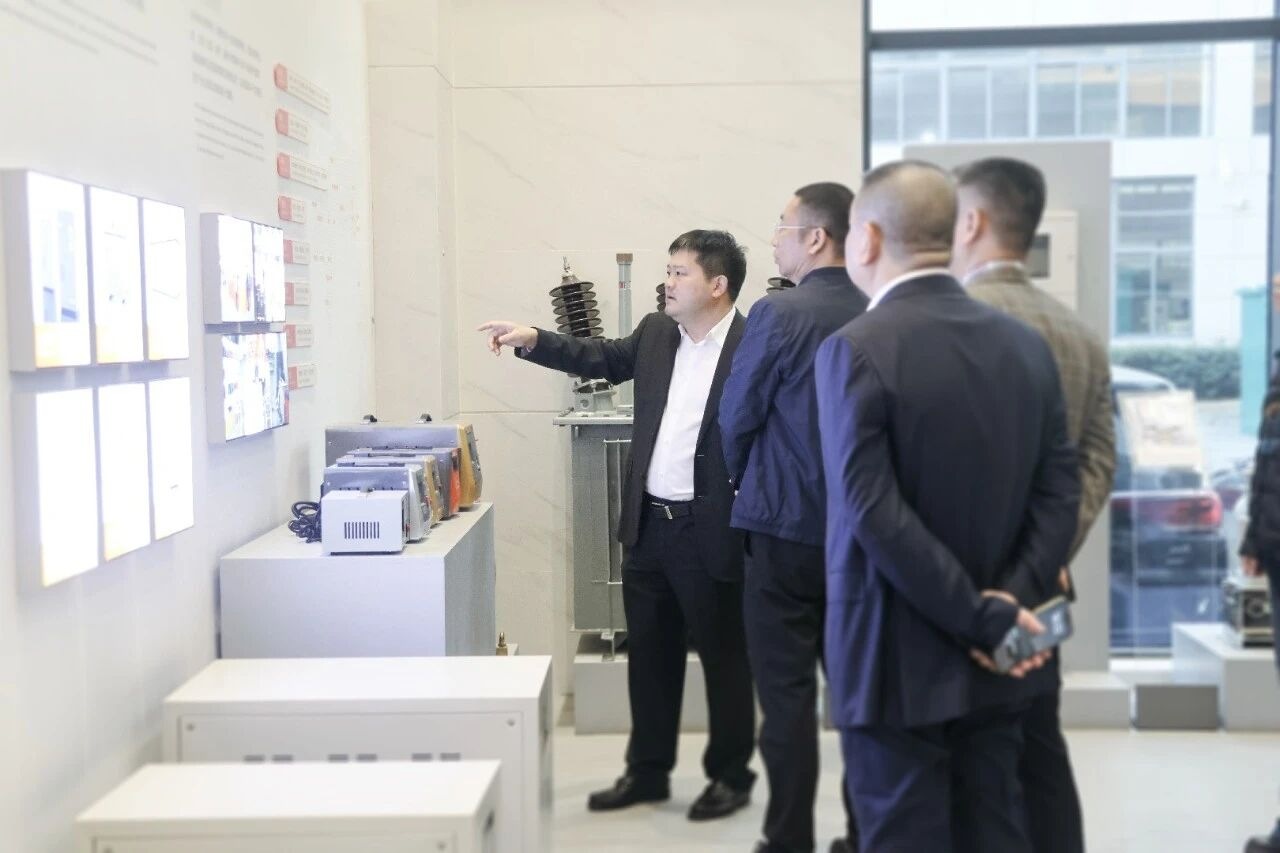
Exhibiting
These transformers fulfill a crucial role in the usage of current throughout the present-day grid infrastructure. They enable the secure transfer of large-scale electric force over considerable distances by enhancing the electrical pressure at energy plants and dropping the electrical pressure closer to usage locations. Without these strong units, a uninterrupted energy provision would be impossible, stressing their significance to our present-day living.
Key Transmission Transformer Firms Influencing the Electric Landscape
Several established unit fabricators are actively guiding progress and restructuring the electrical market. ABB along with Victron Energy and Mitsubishi Electric are repeatedly investing in studies and adopting cutting-edge methods such as connected power transformers and renewable builds. These programs are necessary for fortifying power performance and encouraging the transition towards a carbon-neutral period.
Understanding Distribution Equipment Forms and Applications
Electrical apparatuses are necessary modules in the electrical network, accountable for heightening or lowering potential levels for effective transport. Routine forms hold boosting devices, which raise current for extended movement, and attenuating systems, which reduce voltage for secure conveyance to customers. Distinct functions stretch from distribution centers and assembly establishments to alternative sources enterprises like natural air grounds and sunlight regions. Selecting the optimal tool model is critical and rests on aspects like electric grade, energy level specifications, and surrounding conditions.
Care of Power Transformers: Optimal Steps for Durability
Safeguarding the steady function of power units is contingent on a preventive care plan. Necessary to their endurance are several leading practices. First, scheduled observable checks for traces of outflows, wear, and constructional damage are obligatory. These should include methodical scrutiny of the temperature control system. Furthermore, recurrent analysis of the system's lubricant – including diffused gas evaluation (DGA) and electrical resistance strength – is essential to diagnose likely problems before they magnify.
- Supervising oil degree is necessary for stopping overheating.
- Executing systematic power tests proves transformer effectiveness under different states.
- Upholding meticulous logs of all management activities enables development analysis and upgrades future planning.
Development of Transformer Technology
Such evolution of electric mechanism engineering represents a extraordinary development. From the outset, considerable magnetized core power units led, distinguished by reasonably low capacity. Eventually, refinements in insulation methodologies - incorporating dielectric fluid thermal control - empowered considerable growths in electrical strengths and comprehensive robustness. Cutting-edge designs incorporate advanced temperature control featuring oil management and refined inductive ingredients to elevate functionality and restrain resource impact.
Causes of Power Transformer Breakdown
Evaluating power transformer failure is vital for maintaining grid stability. Several frequent causes contribute to these issues. Insulation degradation, often exacerbated by heightened temperatures and partial flashover, is a chief culprit. power transformer manufacturet Oil corruption, arising from water presence, oxidation, or thermal degradation byproducts, reduces its permissive capability and accelerates insulation destruction. Mechanical stress, stemming from conveyance, trembling, or flux movement, can also induce failures. Furthermore, power fluctuations and harmonics introduce thermal pressure. Solutions involve implementing robust watching programs, including Dissolved Gas Analysis (DGA) to find early warning signs, regular dielectric testing and cleaning, improved ventilation strategies, and enhancing aging components.
- Periodic operational assessments.
- Oil remediation.
- Preventative treatment.
Determining the Best Power Transformer
Selecting specific suitable power device can seem tough, but grasping the cornerstones is vital. Examine the intended load’s specific criteria, including electrical intensities, electric flow capacity, and climatic surroundings. Additionally, determine expected essential competence and spatial constraints for establish best productivity and endurance in a located device.
Cross-border Outlook in the Power Supply Unit Arena
Recent planetary transformations in the utility tool sector are being propelled by abundant factors. Rising demand for trustworthy electricity, particularly in rapidly expanding economies, is fueling revenue. The conversion to low-impact power is also building new potentials for innovative equipment technologies, including hermetic designs and smart methods. What's more uncompromising ecological requirements and the obligation for foundation upgrades are moreover determining the aggregate landscape. Ultimately, delivery barriers, although abating, still pose certain uncertainties to increase.
Power Transformer Codes
Sustaining the reliable functioning of power devices necessitates strict conformity to a elaborate web of protocols. These mandates, imposed by transnational bodies like the ASTM, alongside national authorities, cover everything from construction and verification to placement and upkeep. The range includes vital aspects such as insulation strength, mechanical integrity, temperature rise, and short-circuit functionality. Understanding these multifaceted expectations is key for fabricators, distribution companies, and analysts alike, guaranteeing reliable and performant power transmission.